
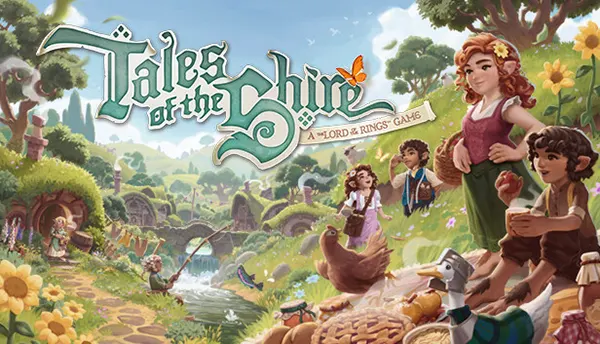
Tales of the Shire Mobile — Does a Slow Life Sim Fit Modern Mobile Gaming Habits?
The mobile games market in 2026 is dominated by fast sessions, constant rewards, and systems designed to retain attention in short bursts. Against this background, Tales of the Shire Mobile stands out with a deliberately slower pace, focusing on routine, atmosphere, and low-pressure progression. This contrast raises a practical question: can a calm life simulation built around everyday activities compete with the expectations shaped by modern mobile usage patterns?
The Current Mobile Gaming Landscape in 2026
Mobile gaming habits have shifted significantly over the past five years. Most successful titles rely on short play sessions, typically lasting between three and ten minutes. Players expect immediate feedback, frequent rewards, and clear progression systems that fit into fragmented daily schedules. Games that fail to deliver this rhythm often struggle with retention, especially among casual audiences.
Another defining trend is the integration of live-service mechanics. Daily tasks, seasonal events, and time-limited challenges are now standard. These features create a sense of urgency, encouraging players to return regularly. Even traditionally slower genres have adapted by adding structured progression loops and reward systems that align with these expectations.
At the same time, there is growing fatigue around overly aggressive monetisation and constant engagement pressure. Surveys from 2024–2025 show that a segment of players actively seeks more relaxed experiences, especially those who use mobile games as a way to unwind rather than compete or optimise performance.
Where Life Simulation Games Sit in This Context
Life simulation games occupy a niche that does not fully align with mainstream mobile design. Their appeal lies in routine, personalisation, and gradual development rather than rapid progression. Titles such as Animal Crossing: Pocket Camp demonstrated that this genre can succeed on mobile, but only when adapted with structured systems and regular incentives.
However, not all life sims follow this approach. Some newer releases prioritise authenticity over optimisation, offering open-ended gameplay with minimal pressure. This design direction can be both a strength and a limitation, depending on how well it matches player expectations.
Tales of the Shire Mobile appears to lean towards this slower, more traditional life sim model. Its success therefore depends on whether it can balance authenticity with the practical realities of mobile usage.
Core Gameplay Design of Tales of the Shire Mobile
Tales of the Shire Mobile focuses on everyday activities inspired by Tolkien’s Shire setting. Players engage in cooking, gardening, decorating, and building relationships with characters. There is no central objective or competitive system; instead, the experience is structured around routine and gradual personal progress.
This design encourages longer sessions compared to typical mobile titles. Tasks are not optimised for quick completion, and progression is intentionally slow. For some players, this creates a sense of immersion and continuity, while for others it may feel inefficient within a mobile context.
The absence of high-pressure mechanics such as timers, energy systems, or competitive leaderboards is a deliberate choice. It reduces stress and allows players to engage at their own pace, but it also removes many of the retention tools commonly used in mobile games.
Strengths of a Slow-Paced Approach
A slower pace can provide a more meaningful sense of engagement. Instead of chasing rewards, players focus on building a personal space and developing relationships over time. This aligns with a broader trend towards “comfort gaming,” where the primary goal is relaxation rather than achievement.
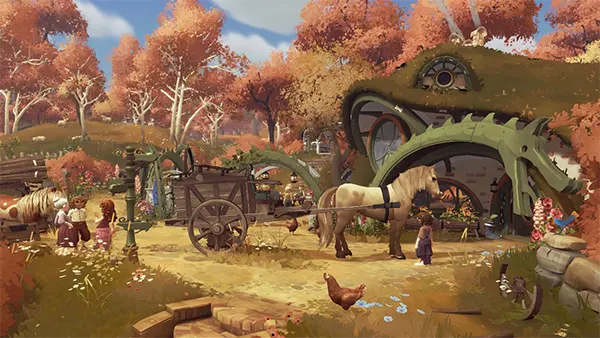
The setting also plays a crucial role. The Shire is associated with calmness, routine, and community, making it a natural fit for this type of gameplay. When executed well, this can create a strong emotional connection that compensates for the lack of fast progression.
Another advantage is reduced burnout. Games that demand constant attention often lose players quickly once the novelty fades. A more relaxed structure can support longer-term engagement, even if daily activity levels are lower.
Challenges in Adapting to Mobile Player Behaviour
The main challenge for Tales of the Shire Mobile lies in session design. Mobile players typically engage with games during short breaks, commuting, or while multitasking. A game that requires extended attention may struggle to fit into these patterns, regardless of its quality.
Another issue is the lack of clear progression milestones. Without regular rewards or visible goals, some players may feel that their time investment is not sufficiently acknowledged. This can reduce motivation, especially for users accustomed to structured systems.
Monetisation is also a factor. Many mobile games rely on mechanics that encourage spending through urgency or scarcity. A slower, more open-ended design limits these opportunities, which may affect long-term support unless alternative models are implemented.
Can a Slow Life Sim Still Succeed on Mobile?
Success is possible, but it requires careful adaptation. One approach is to introduce optional systems that support shorter sessions without compromising the core experience. For example, daily activities could be structured in a way that allows meaningful progress within limited timeframes.
Another important factor is audience targeting. Not all mobile players are looking for fast-paced experiences. By focusing on users who value atmosphere and routine, the game can build a more dedicated, if smaller, player base.
Ultimately, Tales of the Shire Mobile does not need to compete directly with mainstream titles. Its strength lies in offering an alternative. If it maintains consistency, respects player time, and avoids unnecessary complexity, it can find its place within a market that is gradually becoming more diverse in player preferences.