

Resident Evil Survival Unit: Squad Command, Base Growth and Strategic Battles Against Biohazards
Resident Evil Survival Unit turns the familiar survival-horror setting into a mobile strategy game built around preparation, resource control and carefully chosen teams. Released worldwide on 18 November 2025 for iOS and Android, the game follows a parallel story in which the player awakens in a locked hospital after being used as an Umbrella test subject. The campaign soon expands beyond the hospital into a ruined city, where isolated survivors must organise themselves around an abandoned Mansion. Familiar characters including Leon S. Kennedy, Claire Redfield and Jill Valentine can appear in the same force, but recognisable names alone do not guarantee success. Progress depends on assigning survivors to suitable duties, strengthening the base in a sensible order and reacting well during real-time defence encounters. This guide explains those systems in practical terms, with advice intended for players who want steady progress without turning every decision into a complicated calculation.
Building a Survivor Squad That Works as One Unit
The first rule of squad management is to judge survivors by the job they can perform rather than by popularity alone. Resident Evil Survival Unit includes characters with strengths connected to combat, gathering and technology, so a team assembled only from famous fighters may leave important gaps elsewhere. Combat specialists help when infected creatures threaten a defence line, while survivors suited to gathering improve the flow of materials needed for construction and upgrades. Technology-focused characters support the broader development of the Mansion and can become more valuable as research requirements grow. A balanced account therefore needs more than one impressive battle group. It needs a dependable core of fighters, several efficient resource workers and enough technical support to prevent base growth from slowing down. When a new survivor joins, check the role, skills and practical use before spending scarce development materials. A modest character who fills a missing duty can contribute more than a stronger duplicate of a role already covered.
It is usually better to develop a compact group of useful survivors than to spread resources across every character in the roster. Levels, skills and combat equipment all compete for materials, and an account can lose momentum when upgrades are divided among too many unfinished heroes. Begin with a main squad capable of handling story missions and regular defence battles, then create a secondary group for gathering, support or situations where the main team is unavailable. This approach gives the player a reliable force while preserving enough resources to react when a mission requires a different role. It also reduces the risk of investing heavily in a character who looks powerful at first but does not fit the rest of the team. Review the squad after major unlocks rather than after every small reward. A new hero should replace an existing member only when the change improves the team’s balance, solves a repeated problem or opens a useful tactical option.
Team strength also comes from the way individual abilities support one another. The official character system gives each survivor distinct skills and traits, allowing cross-title combinations that would not exist in the main Resident Evil games. In practice, the most useful squad is often the one that can control pressure, protect vulnerable members and deliver damage at the right moment. Avoid building a group in which every survivor depends on the same condition or performs the same function. A team with no answer to a fast enemy push can fail even when its overall power looks high, while a well-rounded group can survive encounters that appear difficult on paper. Pay attention to what happens during defeat: which position collapses first, which skill arrives too late and which survivor contributes little once the enemy reaches the line. Those observations are more valuable than simply adding levels, because they show whether the problem is preparation, formation or timing.
Matching Survivors to Missions and Defence Lines
Different activities reward different team choices, so the same squad should not be sent everywhere without adjustment. A resource trip values efficiency and safe completion, while a defence battle demands enough control and damage to stop enemies before they break through. Story encounters may also place more importance on survival because losing one key character can weaken the entire formation. Before deployment, identify the main purpose of the mission and choose survivors whose strengths answer that purpose. If infected enemies arrive in repeated groups, reliable area control is useful. If a large creature dominates the encounter, concentrated damage and well-timed defensive skills matter more. When the map contains environmental features, treat them as part of the plan rather than decoration. The game’s real-time battles are designed around character abilities and environmental mechanics, so success depends on using both instead of relying only on the displayed power number.
Positioning should protect the squad’s weaker members and give important skills time to become available. Survivors who can withstand pressure belong where the enemy is most likely to make contact, while characters who provide damage or support should be kept far enough back to work safely. This does not mean that one formation will solve every battle. A narrow approach may be effective against a single route but fail when threats arrive from more than one direction. Watch the first attempt carefully and move characters according to what actually happens. If one side breaks early, reinforce that side rather than upgrading the entire team at random. If the squad survives but cannot finish a strong enemy, the answer may be better skill timing or a more focused attacker. Small changes in deployment often produce a clearer improvement than a large but unfocused investment in levels.
Skill timing is especially important because a powerful ability used too early may be unavailable when the dangerous wave appears. Basic enemies can often be handled with normal attacks and lower-impact actions, allowing stronger skills to be saved for elite infected, sudden reinforcements or a boss. At the same time, holding every ability for too long can allow the defence line to collapse before the main threat arrives. The practical solution is to learn the rhythm of the encounter. Use the first attempt to see when pressure increases, then reserve one or two decisive actions for that point. After a defeat, change one thing at a time: move a survivor, delay a skill or replace a role that is underperforming. This makes the cause of improvement easy to understand. Repeatedly changing the full squad, formation and equipment together may produce a win, but it teaches very little about why the battle changed.
Developing the Mansion Without Wasting Resources
The Mansion is more than a visual reference to earlier Resident Evil locations. It is the centre of operations, a home for survivors and the place where long-term strategy takes shape. Facilities are restored one by one, turning an abandoned refuge into a stronger and more organised base. The most effective development order is based on what each upgrade unlocks or improves, not simply on which building has the lowest cost. Give priority to facilities that open essential features, increase reliable resource production, support research or remove a clear limit on progress. Defensive improvements become more important when the base is exposed to stronger threats, but upgrading every defensive element before the economy can support it may create a shortage. A good base plan keeps construction, research and squad development moving together. When one area advances far ahead of the others, the account often reaches a point where it has power in theory but lacks the materials or supporting systems needed to use it.
Food, lumber, iron and oil are among the materials used across the game’s economy, and each should be treated as part of a shared budget. The immediate temptation is to spend everything as soon as an upgrade becomes available, but this can leave the account unable to complete a more important requirement shortly afterwards. Before confirming a costly improvement, check what the next story objective, research step or facility level is likely to need. Keep a reserve for essential progression and use surplus materials on secondary work. This does not require a detailed spreadsheet; a simple priority order is enough. First fund the upgrade that removes the current obstacle, then support the systems that produce or protect resources, and only after that spend on optional improvements. Event rewards and daily gains can refill stocks, but they should strengthen a plan rather than replace one.
Building placement also matters because preparation for battle begins inside the base. The official description links building positions, survivor deployment and combat equipment to readiness in real-time encounters. Players should therefore think of the Mansion as an operating system rather than a collection of independent rooms. Keep frequently used facilities easy to recognise, review available upgrades before starting long activities and avoid leaving key systems idle when affordable progress is available. The Merchant can provide useful items, but purchases should match a current need instead of being made merely because stock has refreshed. A base that looks advanced may still struggle if research is neglected, resource production is uneven or squad equipment has fallen behind. The goal is not to maximise every number at once. It is to create a base that supplies the next stage of growth without repeatedly stopping for missing materials.
Turning Expansion and Research Into Steady Progress
Territory development connects the Mansion to the wider ruined city. Sending survivors across the map can secure resources, reveal new opportunities and bring the player into contact with other groups. Expansion should follow the account’s ability to defend what it gains. Claiming more ground or pursuing distant targets too early may increase pressure without providing enough immediate benefit. Start with areas that support the resources currently limiting development, then move outward as the main squad and base defences become more dependable. The map also introduces a social decision: cooperation with other survivors or conflict over influence and supplies. Alliances can make larger objectives more manageable and provide support during periods of heavy activity, but membership is most useful when the group’s schedule and expectations suit the player. Joining the first available alliance is less important than finding one that communicates clearly and participates consistently.
Research should solve real problems in the order they appear. If construction is repeatedly delayed, economic improvements deserve attention. If gathering trips take too long or return too little, research connected to resource work becomes more useful. If the squad reaches battles with adequate levels but fails under pressure, combat or defensive development may provide the better return. This problem-first approach prevents research from becoming a random path through whichever option is cheapest. It also keeps progress understandable: the player knows why a branch was chosen and what result to expect. Long research chains can require patience, so plan them around the next several objectives rather than the current screen alone. A small improvement that supports every day of play may be more valuable than a larger bonus used only in one narrow situation.
Steady growth comes from reducing idle time and avoiding emergency spending. Before leaving the game, start a useful construction or research task that can continue during the break. Send suitable survivors on gathering work if they are not required for immediate combat, and make sure the base has enough resources for the next planned action. When returning, collect completed work and review the new bottleneck before starting another upgrade. This routine keeps development moving without demanding constant attention. It also helps free-to-play players, because consistent use of time and earned resources can offset part of the advantage gained through purchases. Resident Evil Survival Unit includes in-app purchases and random-item purchases, so limited offers and new characters may encourage quick decisions. A defined plan makes it easier to separate a genuinely useful acquisition from an expensive distraction that does not improve the current squad or base.
Winning Strategic Battles Against Biological Threats
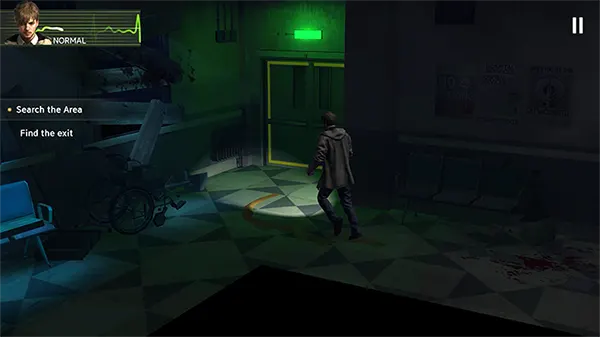
Combat in Resident Evil Survival Unit is built around real-time defence rather than the close third-person action of the main series. Infected creatures and other powerful enemies push towards the player’s line, while deployed survivors use their weapons, individual skills and the environment to stop them. The first priority is control: enemies that reach vulnerable positions can disrupt the whole formation, even when the squad has enough damage in theory. Identify the route of the threat, place durable characters where pressure will be highest and keep support or ranged survivors protected. When environmental mechanics are available, use them to slow, redirect or weaken the enemy before spending the squad’s strongest abilities. This layered approach preserves options for later waves. It also reflects the central idea of the game: preparation creates the conditions for survival, but the player still has to make decisions quickly once the battle begins.
Biological threats should be read by behaviour rather than appearance alone. A fast group of weaker infected can be more dangerous than one slow creature if it reaches several parts of the defence line at once. Large enemies may require concentrated attacks, while repeated waves reward efficient area damage and controlled skill use. Watch for changes in movement, attack speed and target choice. If an enemy ignores the front line or pressures a specific survivor, change the formation before investing in more power. Combat equipment should support the role of each character: front-line survivors need to remain effective under pressure, while damage dealers must contribute enough before enemies close the distance. The game does not reward one universal answer. A squad prepared for a single large target may need adjustment when the next mission replaces that target with several smaller threats.
The battle system also supports event encounters that change the usual threat pattern. In July 2026, the game ran a Monster Hunter collaboration featuring Yian Kut-Ku, Rathalos and Silver Rathalos activities, showing how the same squad-and-defence framework can be adapted to enormous creatures and limited-time objectives. Event enemies may reward a different formation, a specific damage pattern or more careful use of saved abilities. Treat these encounters as temporary challenges rather than reasons to rebuild the entire account around one event. Use the strongest suitable survivors already developed, study the enemy’s attack sequence and claim rewards that support long-term progress. A limited character or skin can be appealing, but the practical value of an event also lies in materials, experience and the chance to test different squad combinations. When the event ends, the main story, base and regular battle systems will still determine the account’s overall strength.
A Practical Survival Routine for Long-Term Progress
A useful routine begins with a brief check of the three systems that influence one another: squad readiness, Mansion development and available objectives. Collect completed resources, start the next priority upgrade and confirm that the main team has appropriate equipment before entering difficult content. Then choose activities according to current needs. Story progress is valuable when it unlocks new systems, gathering is useful when a specific material is short, and defence battles help test whether the squad’s formation still works. Avoid completing tasks only because they carry a notification marker. A clear objective for each session prevents resources from being scattered across unrelated upgrades. It also reduces frustration, because progress can be measured by a practical result such as unlocking a facility, completing a research step or stabilising a defence line.
Defeat should be treated as information. Before repeating a failed battle, decide what actually caused the loss. If the front line fell immediately, improve positioning, durability or early control. If the squad survived for a long time but could not finish the main enemy, strengthen focused damage or save key skills for the final phase. If the recommended strength is far above the current team, return to the Mansion and improve the systems that support combat rather than forcing repeated attempts. Record the lesson mentally and make one or two targeted changes. This approach is slower than pressing the retry button immediately, but it saves resources and produces a squad that handles future encounters more consistently. The best progress often comes from correcting a weak link, not from raising every available character by another level.
Resident Evil Survival Unit rewards patience because every major system feeds the next one. Survivors gather and fight, the Mansion turns resources into stronger facilities, research improves efficiency, and expansion provides new opportunities as well as new risks. Players who maintain that cycle are less likely to become trapped by a single missing material or an underdeveloped role. Keep one dependable combat squad, maintain specialists for gathering and technology, and develop the base according to current obstacles rather than appearance. During battles, protect the formation, watch enemy behaviour and reserve decisive skills for the moment they matter most. The result is a practical survival strategy that suits the game’s 4X structure while preserving the tension and recognisable characters of Resident Evil. Progress may still slow at higher levels, but disciplined choices make each upgrade and each deployment contribute to a clear purpose.