
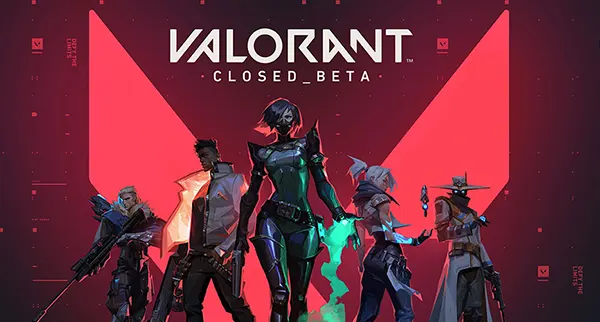
Valorant Mobile: Current Development Status and What Players Should Expect
When Riot Games confirmed that Valorant would expand beyond PC, it was clear this was not a simple port but a long-term strategic move. As of 2026, Valorant Mobile remains one of the most anticipated tactical shooters on handheld devices. Unlike many rushed mobile adaptations, Riot has taken a measured approach, prioritising competitive integrity, performance stability and proper control optimisation. The result is a project that has evolved steadily through limited regional tests, technical refinements and infrastructure scaling. This article examines the current state of development and outlines realistically what players can expect at launch.
Where Development Stands in 2026
Valorant Mobile was first announced in 2021, but meaningful technical progress became visible during 2023–2025 through closed beta phases, particularly in China. Riot partnered with Lightspeed Studios, known for its work on high-performance mobile shooters, to ensure the game could run smoothly across a wide range of devices while maintaining tactical precision.
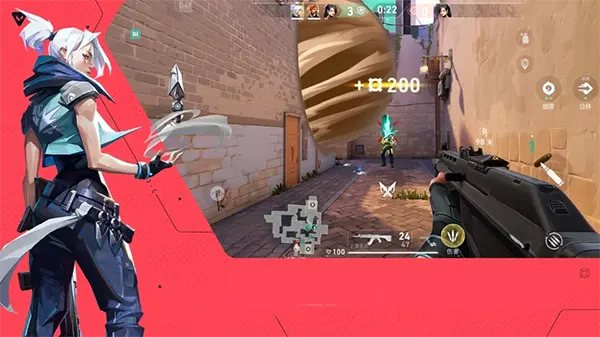
By early 2026, the game has undergone multiple private and semi-public test phases. Gameplay footage confirms that core mechanics — agents, abilities, weapon recoil patterns and map layouts — remain faithful to the PC version. However, the user interface and control schemes have been rebuilt from the ground up to suit touchscreen interaction rather than adapted directly from desktop.
Importantly, Riot has focused heavily on anti-cheat infrastructure and competitive matchmaking before committing to a full global release. This slower rollout reflects lessons learned from other competitive titles where early instability damaged long-term credibility.
Regional Testing and Release Strategy
China has functioned as the primary testing ground due to Riot’s regulatory readiness and strong mobile esports ecosystem in the region. Limited access tests in 2024 and 2025 allowed developers to gather real-world performance data across mid-range Android devices and newer flagship smartphones.
As of 2026, there is still no confirmed global launch date, but industry analysts expect a staggered release, beginning in select Asian markets before expanding to Europe and North America. This phased strategy reduces server strain and allows Riot to fine-tune balance changes specific to mobile gameplay pacing.
Riot has also indicated that cross-play with PC is not planned. The skill ceiling and control precision between touchscreen and mouse input differ significantly, and maintaining competitive fairness remains a priority.
Gameplay Adjustments for Mobile Devices
One of the most complex challenges in bringing Valorant to mobile lies in translating precise gunplay mechanics to a touchscreen format. Tactical shooters rely on recoil control, counter-strafing and head-level crosshair placement — mechanics that require careful adaptation for handheld play.
In Valorant Mobile, movement and aiming controls are separated via virtual joysticks, while abilities are mapped to configurable on-screen buttons. Early testers have reported that aim assist exists but remains subtle to preserve competitive balance rather than automate engagements.
Map design remains unchanged in structure, but round pacing has been slightly adjusted in some test builds to better suit shorter mobile play sessions. These adjustments do not fundamentally alter competitive flow but help maintain engagement in a portable format.
Performance and Device Requirements
Optimisation has been a central pillar of development. Riot aims to support a broad range of hardware without compromising competitive clarity. Test builds demonstrate stable 60 FPS performance on upper mid-range devices released from 2022 onwards, while flagship smartphones can reach higher frame rates.
Graphical settings are scalable, allowing players to prioritise either visual fidelity or performance stability. Shadows, particle effects and environmental detail can be adjusted to maintain smooth frame pacing, which is critical in tactical shooters where milliseconds matter.
Battery consumption and thermal management have also been addressed. Extended play sessions during beta tests showed improved heat control compared to earlier builds, suggesting that optimisation work has been continuous rather than cosmetic.
Competitive Scene and Monetisation Model
Riot has built its reputation on structured competitive ecosystems, and Valorant Mobile is expected to follow a similar blueprint. Ranked matchmaking will likely be available at launch, supported by seasonal resets and tier-based progression comparable to the PC edition.
Esports development may begin regionally before expanding globally. Given the strength of mobile esports in Asia, early tournaments could emerge within months of official release. However, Riot is unlikely to rush professional circuits before ensuring gameplay stability and anti-cheat reliability.
Monetisation is expected to mirror the PC model: cosmetic-only purchases including weapon skins, battle passes and limited-time collections. There is no indication of pay-to-win mechanics. Maintaining competitive fairness is central to Riot’s brand identity, and deviating from this would undermine long-term player trust.
What Players Should Realistically Expect
Players should not expect a simplified shooter designed purely for casual engagement. All signs indicate that Valorant Mobile aims to preserve tactical depth, strategic teamplay and agent synergy. Learning curves will remain meaningful, and communication will continue to be essential.
At the same time, accessibility features will likely expand compared to the PC version. Customisable HUD layouts, adjustable sensitivity curves and potentially optional gyro aiming support could broaden usability without lowering the skill ceiling.
In short, Valorant Mobile in 2026 appears to be a carefully engineered adaptation rather than a marketing experiment. While an exact global release date remains unconfirmed, the development trajectory suggests a polished launch when Riot determines that competitive standards, technical stability and regional infrastructure are fully ready.